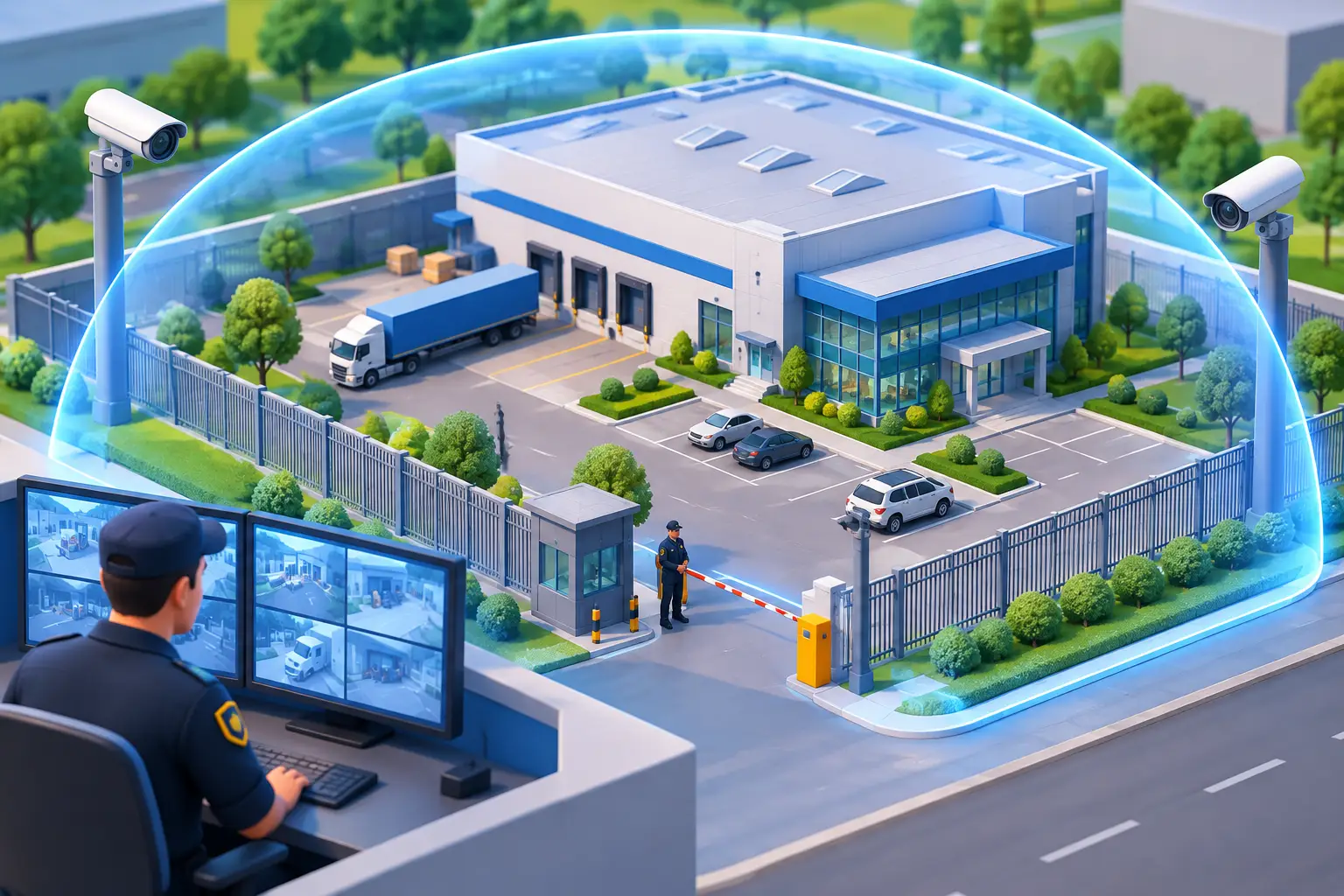
How Security Companies Protect Your Operation
A security provider is often judged most clearly on the night something goes wrong. A disruptive guest, an unauthorized person at a loading dock, a medical incident in a crowded venue, or a threat to an executive can escalate quickly when the response is uncertain. The right security companies give your team a calm, capable presence before an issue becomes a costly interruption.
For venue operators, facilities teams, event organizers, and business owners, security is not simply a person standing at an entrance. It is an operational function that protects people, assets, reputation, and continuity. The provider you choose should understand your site, communicate clearly with your staff, and deliver coverage that matches the real risks of your operation.
What Security Companies Should Actually Deliver
Visible guards can deter opportunistic theft, trespass, disorderly conduct, and other unwanted activity. But effective security goes further. It combines people, procedures, reporting, and responsive supervision to create a controlled environment without making legitimate guests, employees, or customers feel unwelcome.
At a corporate property, that may mean managing visitor access, conducting patrols, monitoring restricted areas, and documenting incidents for management. At a bar, hotel, or nightclub, it may mean identifying early signs of conflict, supporting responsible service practices, managing entry lines, and removing disruptive patrons professionally. At a concert or public event, it may involve access control, crowd movement, backstage protection, emergency coordination, and a measured response to changing conditions.
The service model should change with the environment. A one-size-fits-all guard assignment can leave gaps in coverage or create unnecessary cost. A professional provider begins by asking what needs to be protected, when risk is highest, who uses the site, and how an incident should be handled.
Start With the Risk, Not the Headcount
The question is rarely, “How many guards do we need?” A better question is, “Where could an incident affect our people, operations, or reputation?” That distinction produces a more useful security plan.
A warehouse may need particular attention at shift changes, delivery windows, and perimeter access points. A hospitality venue may need stronger coverage at peak entry times and closing. A large event may need a layered approach that separates public entry, crowd control, artist or VIP areas, emergency exits, and command communication.
A risk assessment does not need to be overly complicated, but it should account for predictable pressure points. Consider your foot traffic, operating hours, cash handling, public access, alcohol service, valuable equipment, isolated work areas, and prior incidents. Also consider what happens after hours, when fewer staff members are available to identify or respond to a problem.
The goal is proportionate protection. Too little coverage leaves the operation exposed. Too much coverage can strain budgets and create an unnecessarily restrictive experience. A capable security partner will explain the reasoning behind staffing recommendations rather than simply quoting the largest possible roster.
Match Personnel to the Assignment
Not every assignment calls for the same skill set. Static guarding at a commercial building requires alertness, dependable patrol routines, visitor management, and professional reporting. Crowd control requires strong communication, judgment, and the ability to de-escalate tension in public-facing settings. Personal protection calls for discretion, advance planning, situational awareness, and close coordination with the client.
Experience matters, but role suitability matters just as much. Ask how personnel are selected for your type of site and whether the provider can maintain continuity in the team assigned to you. Familiar guards learn access patterns, site rules, key contacts, and normal behavior. That knowledge helps them recognize when something is not right.
Licensing, Insurance, and Standards Are Practical Safeguards
Procurement documents can make credentials look like a checkbox exercise. They are not. Licensing, insurance, training records, and quality systems are practical evidence of whether a provider takes accountability seriously.
Requirements vary by state and jurisdiction in the United States, so verify that both the company and the personnel assigned to your site hold the licenses required for the work they will perform. If your operation crosses state lines or includes major events, confirm that coverage remains compliant in every relevant location.
Insurance deserves the same scrutiny. Ask what policies are held, what the coverage limits are, whether the work you are purchasing is included, and whether proof of coverage can be supplied. A provider should be prepared to discuss this clearly. Vague answers at the contracting stage can become serious problems after an incident.
Standards alignment can also indicate operational discipline. Providers that work within recognized quality and occupational health and safety frameworks generally have clearer procedures for training, supervision, incident handling, and continuous improvement. The key is to ask how those systems affect the people working at your site, not just whether a logo appears on a proposal.
Reporting Turns Security Into Management Intelligence
A guard may see patterns that are invisible to a manager reviewing the operation from a distance. Repeated loitering near an entrance, faulty access hardware, poor lighting, a recurring conflict between patrons, or deliveries arriving outside agreed hours can all be early warning signs.
That information is valuable only when it is reported accurately and acted on. Ask prospective providers what an incident report includes, when reports are delivered, who reviews them, and how urgent issues are escalated. Reporting should be factual, timely, and easy for your management team to use.
Good reporting also protects fairness. If a person is refused entry, removed from a venue, or involved in an incident, clear records help demonstrate that staff acted according to policy and observed behavior rather than assumptions. This is particularly important in hospitality, retail, and events, where public perception can change quickly.
Communication Must Work Under Pressure
During routine operations, communication should be simple: clear shift handovers, contact lists, escalation procedures, and regular check-ins. During an incident, it must be decisive. Your security team should know who has authority to make decisions, when to contact emergency services, how to preserve the safety of bystanders, and how to keep your internal team informed.
Ask how the provider supervises officers after placement. A security contract without active supervision can become a staffing arrangement rather than a managed service. Site visits, accessible supervisors, performance reviews, and rapid replacement procedures all contribute to dependable coverage.
Assess Security Companies Before You Sign
The strongest proposal is not always the cheapest or the most polished. Review how a prospective provider thinks about your operation. Are they asking relevant questions? Can they describe likely risks without exaggerating them? Do they explain how they recruit, train, schedule, and supervise personnel?
You should also establish practical expectations before the first shift. Agree on dress standards, post orders, patrol requirements, reporting formats, escalation contacts, access procedures, and the process for changing coverage. For events, include arrival times, briefing requirements, site maps, emergency plans, and responsibilities at entry points.
References and prior experience can be useful, particularly when your operation has specialized needs. A company familiar with corporate lobbies may not be the right choice for a late-night venue, while a provider experienced in live events may be better equipped to manage crowd flow, restricted zones, and high-profile guests. The fit should be operational, not just commercial.
Integrate Physical Security With Your Wider Operation
Security performs best when it is treated as part of operations rather than an external function placed at the door. Introduce officers to key managers, explain your customer service expectations, share relevant site changes, and ensure they understand the boundaries of their role.
Technology can improve visibility, but it does not replace trained personnel. Cameras, access control, alarms, visitor systems, and communication tools are most effective when the people using them have clear procedures and reliable support. For businesses managing both physical sites and technical infrastructure, coordinated security and IT support can reduce confusion around access, equipment, incident records, and service response.
The right balance depends on your environment. A quiet office may benefit from discreet access management and after-hours patrols. A busy venue may need a highly visible team that can engage respectfully with the public. In both cases, the measure of success is not simply the number of incidents reported. It is whether people can work, visit, and operate with confidence.
When selecting a provider, look for the discipline to prepare thoroughly and the judgment to respond calmly when plans are tested. That is the standard that protects more than a building or an event. It protects the trust people place in your operation.