Who Needs Personal Protection? Key Risk Signals
A public appearance turns uncomfortable when an unfamiliar person waits outside the venue, follows a guest to their vehicle, or pushes past staff for access. Those moments are when the question of who needs personal protection becomes practical rather than hypothetical. Personal protection is not reserved for celebrities or high-profile executives. It is a planned security service for anyone facing a credible, elevated, or changing risk to their safety, privacy, or ability to move freely.
The right level of protection depends on the individual, their environment, and the nature of the threat. For some, visible security provides reassurance and deterrence. For others, discreet close protection allows business, travel, family routines, and public engagements to continue with minimal disruption.
Who Needs Personal Protection Most Often?
Personal protection is commonly associated with public figures, but exposure is broader than fame. Business leaders, venue owners, executives handling sensitive decisions, and professionals dealing with conflict can all become targets of unwanted attention, harassment, theft, intimidation, or confrontation.
A person may need protection because of their role, their assets, their public profile, or a specific incident. An executive managing a difficult termination, a developer involved in a contentious project, or a hospitality operator dealing with a banned patron may face different risks, yet each may benefit from a professional security assessment.
The need can also be temporary. A client may only require close protection during a court appearance, a high-attendance event, a product launch, a period of travel, or after receiving threats. Others need ongoing coverage because their routine creates predictable exposure.
Executives and Business Owners
Senior leaders often carry responsibilities that make them visible. They may make decisions involving staffing, contracts, investments, disputes, or restructuring. Even when there is no direct threat, their work can involve late-night travel, meetings with unfamiliar parties, public-facing events, and access to commercially sensitive information.
Personal protection helps manage the operational side of executive safety. A trained protection professional can coordinate arrival and departure points, monitor the immediate environment, maintain appropriate distance from emerging issues, and support secure movement between meetings. The goal is not to create a barrier between a leader and their business. It is to reduce avoidable exposure while allowing them to remain effective.
Public Figures, Talent, and VIP Guests
Performers, athletes, speakers, influencers, and VIP guests can draw enthusiastic crowds as well as intrusive behavior. The risk increases when schedules, accommodation, vehicles, or venue details are shared publicly. A packed entrance, uncontrolled meet-and-greet, or poorly managed departure can change quickly.
Close protection for talent and VIPs is most effective when it is integrated with event security and venue operations. Access control, backstage credentials, secure routes, and staff communication all matter. One highly capable protection officer cannot compensate for an event plan that leaves entrances unmonitored or guest areas unmanaged.
People Experiencing Threats or Harassment
Repeated unwanted contact, stalking behavior, online threats that reference real-world locations, or intimidation connected to a workplace or relationship should be treated seriously. Not every concerning interaction requires a personal protection detail, but patterns deserve professional attention.
A protection plan can be appropriate while a person attends appointments, travels, returns to work, or adjusts routines. It should complement, not replace, appropriate reporting to law enforcement, legal counsel, employers, or other relevant authorities. Good security providers work within clear boundaries and help clients document concerns, maintain situational awareness, and avoid actions that increase risk.
Families and High-Value Individuals
Individuals with significant assets may face risks that extend beyond themselves. Family members, household staff, residences, and travel arrangements can become points of vulnerability. This does not mean a family needs a visible security presence every day. Often, the better answer is a tailored plan that combines discreet accompaniment for selected movements with residential security, driver coordination, or event coverage when needed.
Privacy is especially important in these assignments. Protection personnel should understand that security information, personal schedules, and family details must be handled with discipline and discretion.
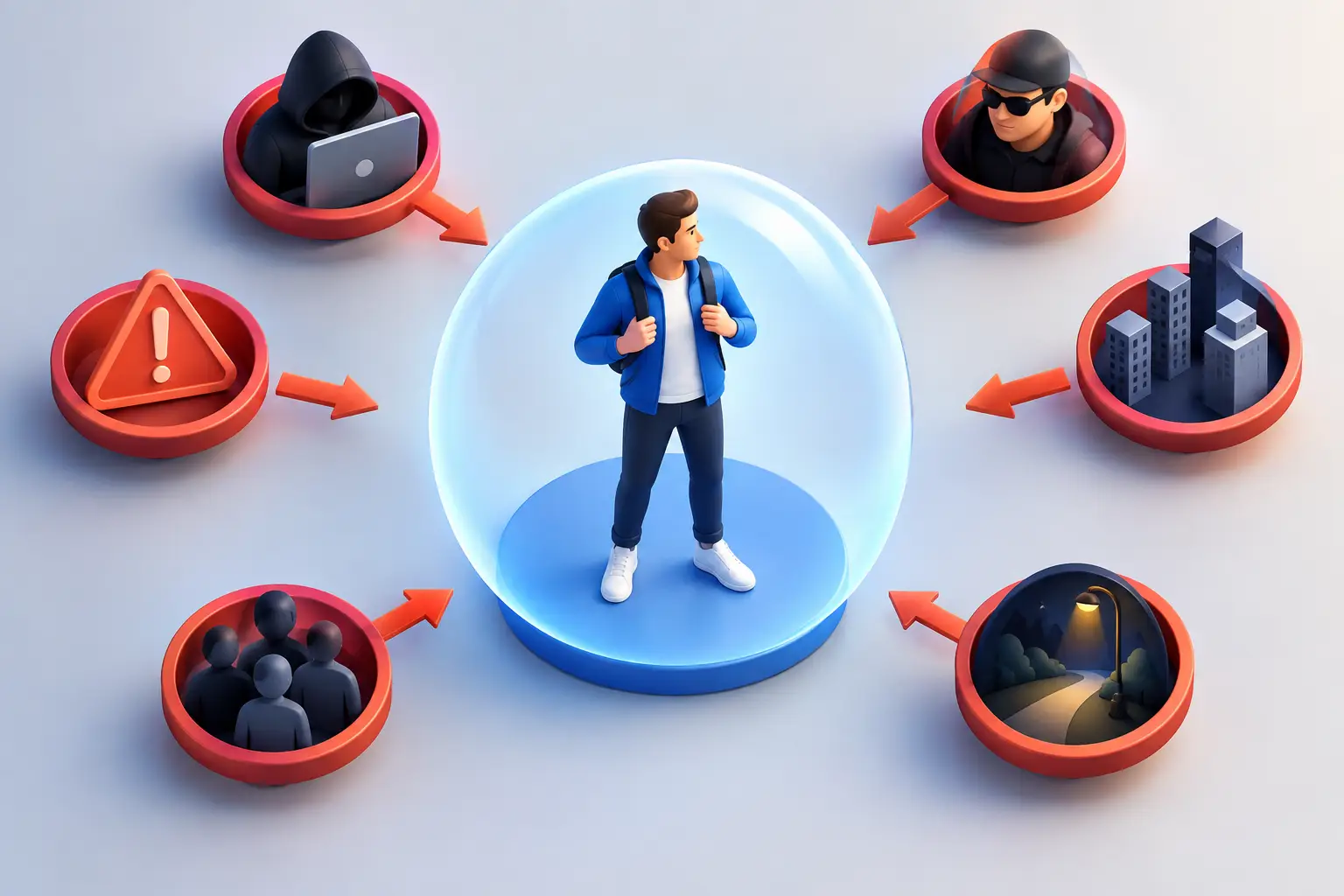
Risk Signals That Call for a Security Assessment
Personal protection should be based on evidence and context, not fear alone. A professional assessment considers what has happened, where it occurred, who may be involved, and whether the situation is escalating.
Common warning signs include:
- Direct threats, repeated harassment, stalking, or attempts to obtain private contact details
- Publicized appearances, controversial business decisions, or disputes that increase unwanted attention
- Regular travel through unfamiliar locations, late-night movements, or events with uncontrolled public access
- Cash handling, high-value assets, sensitive information, or a profile that makes theft or coercion more likely
- A recent incident near a home, workplace, hotel, event site, or usual travel route
One factor alone may not justify close protection. Several factors together may. The key question is whether the person can continue their normal responsibilities safely without additional planning and professional support.
Personal Protection Is More Than an Escort
Effective personal protection is a risk-management function. It starts before an officer arrives at a door or vehicle. The work may include reviewing travel schedules, checking venue layouts, identifying secure entry points, coordinating with drivers, managing access to private areas, and preparing a response plan for disruptions.
During an assignment, the officer remains alert without becoming unnecessarily intrusive. Professional presence means reading the environment, recognizing changes in crowd behavior, addressing access issues early, and communicating calmly with staff and the client. The best protection is often quiet and preventive. It keeps small problems from becoming public incidents.
There is a trade-off between visibility and discretion. A visible security detail can deter opportunistic behavior and reassure staff at a busy event. A lower-profile approach may better suit a corporate meeting, private family occasion, or sensitive legal matter. The right choice depends on the client’s objectives, the threat level, and the setting.
Choosing the Right Level of Coverage
Not every client needs a full-time personal protection officer. A tailored arrangement may involve coverage for a specific event, a series of executive movements, airport transfers, or travel between high-risk locations. For a larger engagement, personal protection may sit alongside static guards, corporate security, venue security, and crowd control.
Before engaging a provider, decision-makers should be clear about the person’s routine, known concerns, required discretion, travel plans, and the level of interaction expected with employees, guests, or the public. They should also verify licensing, insurance, training, and the provider’s ability to coordinate with venue management or internal teams.
For organizations, accountability matters as much as presence. Clear reporting, defined escalation procedures, professional conduct, and properly briefed personnel help ensure protection supports the wider operation rather than complicating it.
Why Licensed Professionals Matter
Personal protection requires judgment. Officers may need to manage aggressive behavior, protect privacy, identify suspicious activity, or make quick decisions in crowded and fast-moving environments. These responsibilities call for licensed, experienced personnel who understand lawful conduct, de-escalation, communication, and client confidentiality.
A credible provider should match the officer to the assignment. An executive roadshow, a live music event, a private residence, and a court-related appearance all require different skills and operating styles. Broadsafe Group provides tailored personal protection supported by licensed personnel, disciplined planning, and a broader security capability when the assignment requires it.
The aim is not to make daily life feel restricted. It is to give clients the confidence to attend meetings, host events, travel, and make decisions with a capable professional focused on their safety. If a person’s exposure has changed, a timely security assessment can turn uncertainty into a practical plan before a small concern becomes a serious disruption.